

Anxiety is a feeling of fear, dread, and uneasiness. It might cause you to sweat, feel restless and tense, and have a rapid heartbeat. It can be a normal reaction to stress. For example, you might feel anxious when faced with a difficult problem at work, before taking a test, or before making an important decision. It can help you to cope. The anxiety may give you a boost of energy or help you focus. But for people with anxiety disorders, the fear is not temporary and can be overwhelming.
Anxiety disorders are conditions in which you have anxiety that does not go away and can get worse over time. The symptoms can interfere with daily activities such as job performance, schoolwork, and relationships.

Clinically significant depression is marked by persistent sadness, a depressed mood, diminished interest in previously enjoyable activities, and other symptoms that interfere with the ability to function in daily life.
The condition often arises from a complex combination of factors that can include genetics, family history, trauma, stress, and illness. Fortunately, effective treatments are available including medications, psychotherapy, or a combination of the two. Self-help strategies can also help people better cope with their symptoms and begin to feel better.
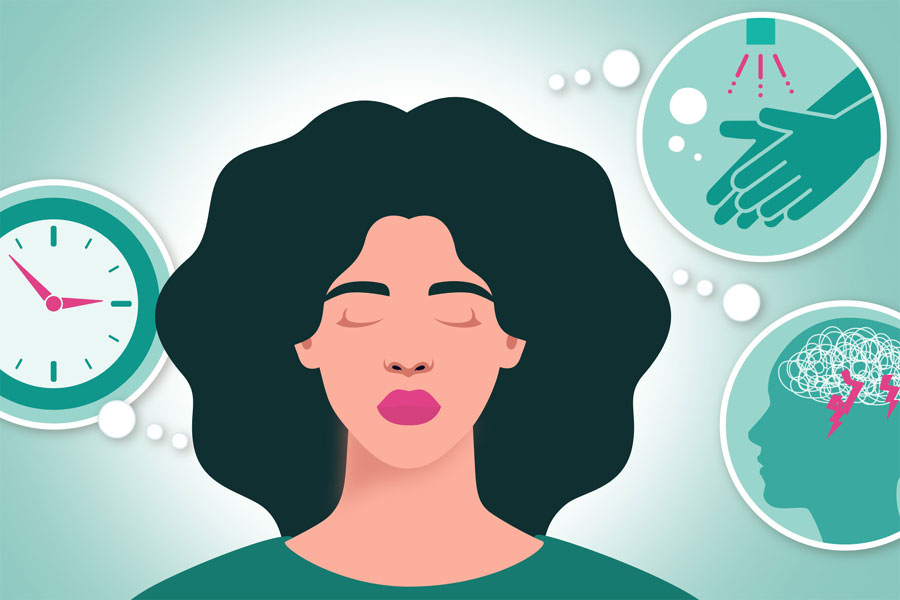
Obsessive-compulsive disorder (OCD) is a mental health condition that involves experiencing recurring thoughts (obsessions) that may then lead to repetitive behaviors (compulsions).
These obsessions and compulsions can take up a great deal of time, interfere with a person's ability to function in their daily life, and create significant distress. While the exact causes are not known, genetic, biological, and stress-related factors may play a role. Effective treatments are available and include medications and psychotherapy techniques such as cognitive behavioral therapy (CBT) and exposure and response prevention (ERP) therapy.

Sexual dysfunction is a problem that can happen during any phase of the sexual response cycle. It prevents you from experiencing satisfaction from sexual activity.
The sexual response cycle traditionally includes excitement, plateau, orgasm and resolution. Desire and arousal are both part of the excitement phase of the sexual response. It’s important to know women don’t always go through these phases in order.

Psychosomatic disorder is a psychological condition involving the occurrence of physical symptoms, usually lacking a medical explanation. People with this condition may have excessive thoughts, feelings or concerns about the symptoms — which affects their ability to function well.
People with psychosomatic disorder usually don’t report overt symptoms of psychiatric distress. Instead, they believe their problems are caused by medical conditions. They tend to visit healthcare providers frequently to get tests and treatments, often not receiving a diagnosis, which may lead to frustration and distress.

People have unique personalities made up of a complex combination of different traits. Personality traits affect how people understand and relate to the world around them, as well as how they see themselves.
Ideally, people's personality traits allow them to flexibly adapt to their changing environment in ways that lead to more healthy relationships with others and better coping strategies. When people have personality traits that are less adaptive, this leads to inflexibility and unhealthy coping. For example, they may manage stress by drinking or misusing drugs, have a hard time managing their anger, and find it hard to trust and connect with others.
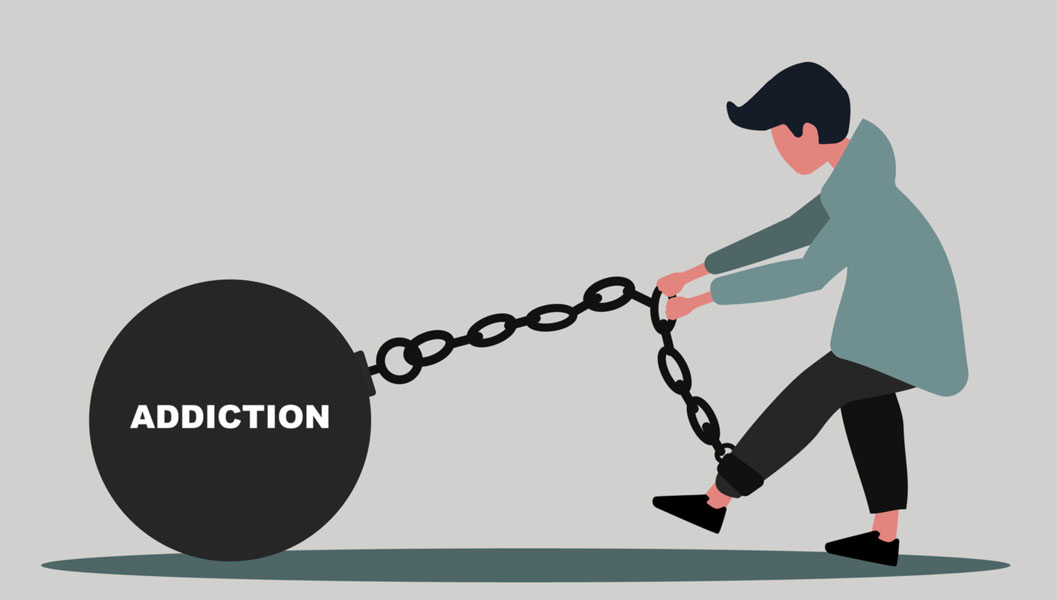
An addiction is a disorder characterized by the compulsive use of a rewarding substance or activity despite experiencing adverse consequences. This complex condition is influenced by a person’s genes and their environment and is often considered a brain disease.
In the past, addiction was thought to only encompass substance abuse, but the definition has been expanded to include activities like gambling as well as gaming and shopping. It’s also important to note that addiction is about the underlying neurology of the brain and not about the outward behaviors. With appropriate treatment, people with addictions can go on to live happy, healthy lives.

Post-traumatic stress disorder (PTSD) is a mental health condition in which people experience a variety of symptoms following exposure to a traumatic event. These may include flashbacks, nightmares, intrusive thoughts, anxiety, avoidance, and changes in mood and thinking.
Causes of PTSD include abuse, violence, natural disasters, accidents, terrorism, illness, or the sudden death of a loved one. There are effective treatments that can help such as cognitive-behavioral therapy (CBT), exposure therapy, acceptance and commitment therapy, and eye movement desensitization and reprocessing (EMDR).

A phobia is an irrational fear of something that’s unlikely to cause harm. The word itself comes from the Greek word“phobos,” which means “fear” or “horror.”
When someone has a phobia, they experience intense fear of a certain object or situation. Phobias are different from regular fears because they cause significant distress, possibly interfering with life at home, work, or school.

Sleep disorders, also known as sleep-wake disorders, are conditions that can affect the amount, timing, or quality of your sleep, causing you to feel tired in the daytime and have difficulty functioning as a result.
Not getting enough sleep can also affect your academic or work performance, interpersonal relationships, and safety. A 2019 study notes that sleep disorders can have a serious impact on your quality of life.

The birth of a baby can start a variety of powerful emotions, from excitement and joy to fear and anxiety. But it can also result in something you might not expect — depression.
Most new moms experience postpartum "baby blues" after childbirth, which commonly include mood swings, crying spells, anxiety and difficulty sleeping. Baby blues usually begin within the first 2 to 3 days after delivery and may last for up to two weeks.
But some new moms experience a more severe, long-lasting form of depression known as postpartum depression. Sometimes it's called peripartum depression because it can start during pregnancy and continue after childbirth. Rarely, an extreme mood disorder called postpartum psychosis also may develop after childbirth.
Postpartum depression is not a character flaw or a weakness. Sometimes it's simply a complication of giving birth. If you have postpartum depression, prompt treatment can help you manage your symptoms and help you bond with your baby.

Pregnancy is often regarded with excitement, but no matter how eagerly a child's birth is anticipated, stress and other forms of emotional distress are still likely to occur during the challenging period of pregnancy. Pregnancy issues may be mild or serious, but they can affect the health of the mother or child, put strain on a romantic partnership, and lead to life changes, both predicted and unpredictable.
When concerns that arise during pregnancy or after birth cause distress or otherwise affect one's mental health, the support of a therapist or other mental health professional may be helpful.

Suicidal ideation is a common medical term for thoughts about suicide. Thoughts may be fleeting in nature, or they may persist and resolve into a formulated plan. Many people who experience suicidal thoughts do not die by suicide, although they may exhibit suicidal behavior or make suicide attempts. People who find themselves experiencing suicidal thoughts or behaviors may find that they do so as a result of conditions such as depression, hopelessness, severe anxiety, insomnia, or panic attacks. Not all people who are diagnosed with these or other medical or mental health conditions will experience suicidal ideation, but some may.
Psychotherapy can often be beneficial for people who are experiencing chronic suicidal ideation and behavior. However, when individuals are at risk of suicide it is essential that they receive a higher level of care, such as hospitalization or intense in-patient or out-patient treatment. Weekly psychotherapy is simply insufficient to protect those who are in crisis and adequately address their risk. Once an individual is no longer in crisis, therapy to treat the underlying causes of suicidal ideation or behavior is typically recommended.